

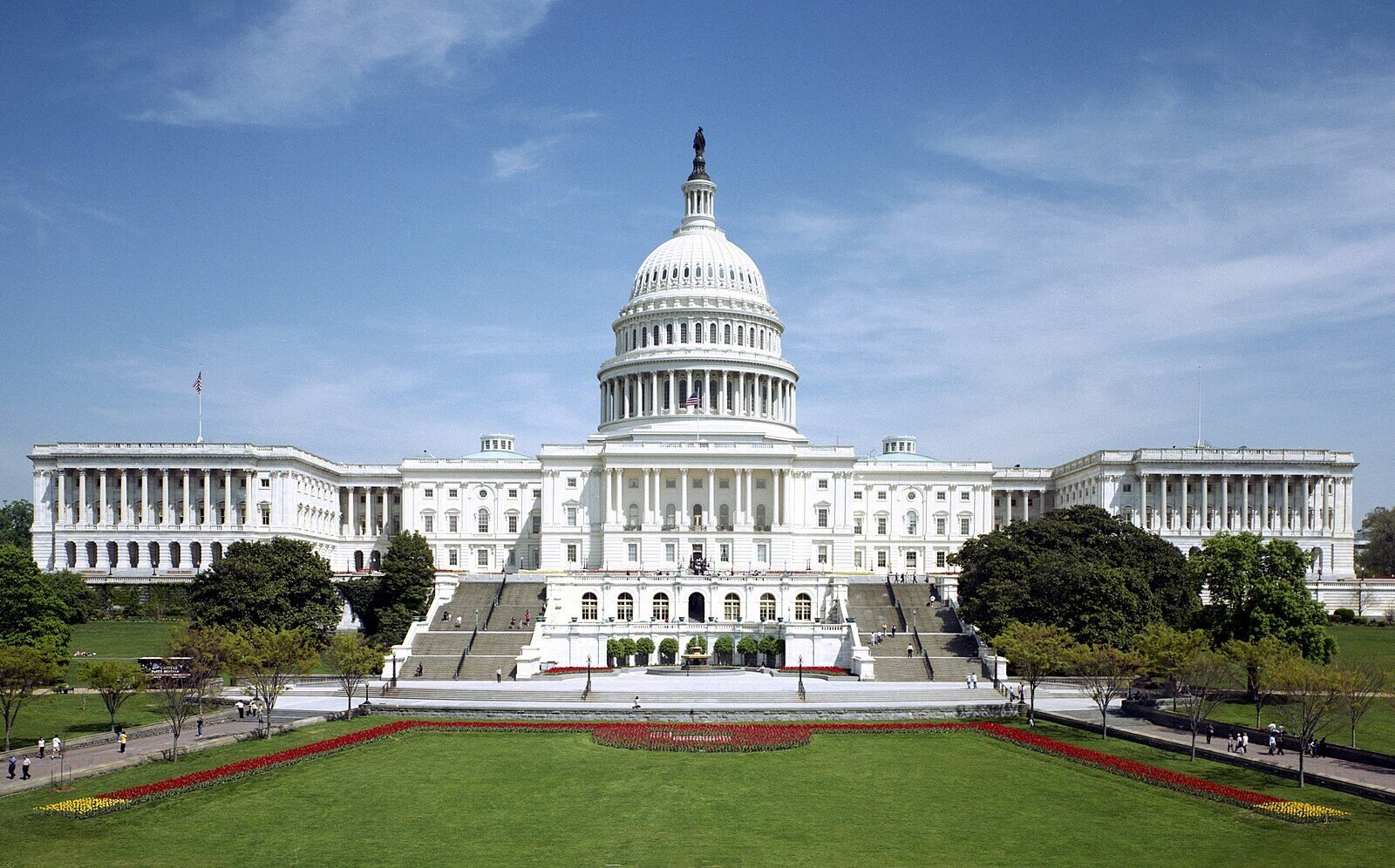


The longest government shutdown in American history could come down to a single vote on Wednesday night. The House of Representatives returns to the Capitol for its first session since September 19, and the only big item on the schedule is the funding package the Senate passed on Monday. If the House approves it and President Donald Trump signs it, the government reopens. Until that vote is counted, it stays shut.
The shutdown began on October 1 and is now in its 42nd day. Hundreds of thousands of federal workers have gone without pay, food aid for millions of families has been put at risk, and air travel has been snarled nationwide. The Senate broke the deadlock on Monday night, passing the package 60-40 with eight members of the Democratic caucus joining Republicans, a vote we covered in our report on the Senate passage of the shutdown bill. That left the House as the last stop before the president’s desk.
Where things stand on Wednesday morning
The last procedural step played out in the middle of the night. The House Rules Committee opened its hearing on Tuesday evening and did not finish until shortly after 1 a.m. on Wednesday, more than six hours later. The panel voted to send the bill to the full House, with every Republican in favor and every Democrat against, an early sign of the split expected on the floor tonight.
Simply getting here took some doing. Speaker Mike Johnson gave lawmakers about 36 hours of notice to return to Washington, and many spent Tuesday fighting through the same airport congestion the shutdown has helped cause. Johnson says he expects the bill to pass. Trump has endorsed the deal, called it “very good,” and is expected to sign it as soon as it reaches him.
The timeline for Wednesday
The House is expected to move in stages. First comes a procedural vote on the rule that sets the terms of debate, a test vote that usually tracks the final result. Then members debate the package itself. The vote that decides everything, final passage, is expected in the evening.
What the House cannot easily do is change the bill. Any amendment would send the package back to the Senate and restart the process, adding days to a shutdown that has already set a record. Leaders in both parties therefore expect a clean up or down vote on the Senate text, exactly as written.
What passage would set in motion
If the bill passes and Trump signs it, the reopening starts within hours. Federal agencies would call furloughed employees back to work, shuttered offices would start reopening, and the government would begin working through 42 days of backlog. Not everything returns to normal at once, but the closure itself would be over.
For federal workers, the package does more than restart paychecks. It reinstates the employees who were fired after the shutdown began and pays them back pay, and it bars the administration from carrying out further layoffs while the temporary funding runs. Workers who stayed on the job without pay would also be made whole.
For millions of households, the most urgent piece is food aid. The bill fully funds the Supplemental Nutrition Assistance Program, known as SNAP, through the end of the fiscal year. SNAP serves about 42 million lower income Americans, and the threat to its benefits became one of the sharpest pressure points of the shutdown.
The rest of the deal is a patch with an expiration date. Most of the government would be funded at current levels through January 30, 2027, giving Congress about eleven weeks to finish full year bills. Three areas are funded through September 30, the end of the fiscal year: the Agriculture Department, including the Food and Drug Administration; the Department of Veterans Affairs and military construction; and the legislative branch, which is Congress itself.
What could still go wrong, and the December fight ahead
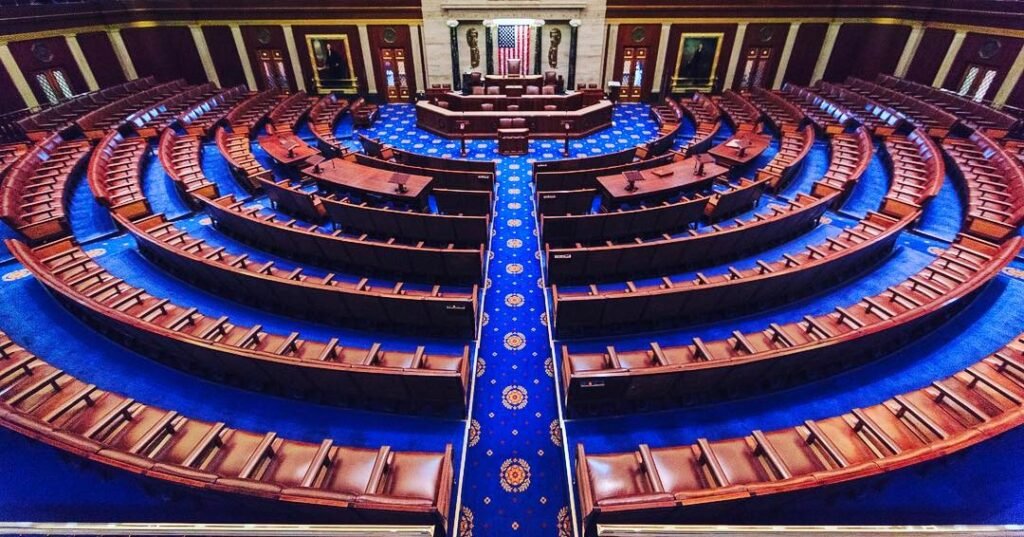
None of this is certain until the votes are counted. Republicans hold the House by the thinnest of margins. One GOP lawmaker, Rep. Addison McDowell, described it this week as a one seat majority, and Republican leaders expect to win with nearly all of their members voting yes, because most Democrats are expected to vote no. That leaves almost no room for defections or empty chairs, and a surprise loss on the procedural vote would be the first warning sign.
Winning on Wednesday would also only pause the bigger argument. The package does not extend the Affordable Care Act subsidies that help millions of Americans pay for health coverage, and those subsidies expire at the end of December. To win over Senate Democrats, Majority Leader John Thune promised them a separate Senate vote on an extension no later than the second week of December. It is a promise of a vote, not of an outcome, and Johnson has made no matching promise in the House.
That means Wednesday night answers one question, whether the government reopens this week, and sets up the next one, what happens to health care costs in the new year. Follow the count as it happens in our News coverage.