

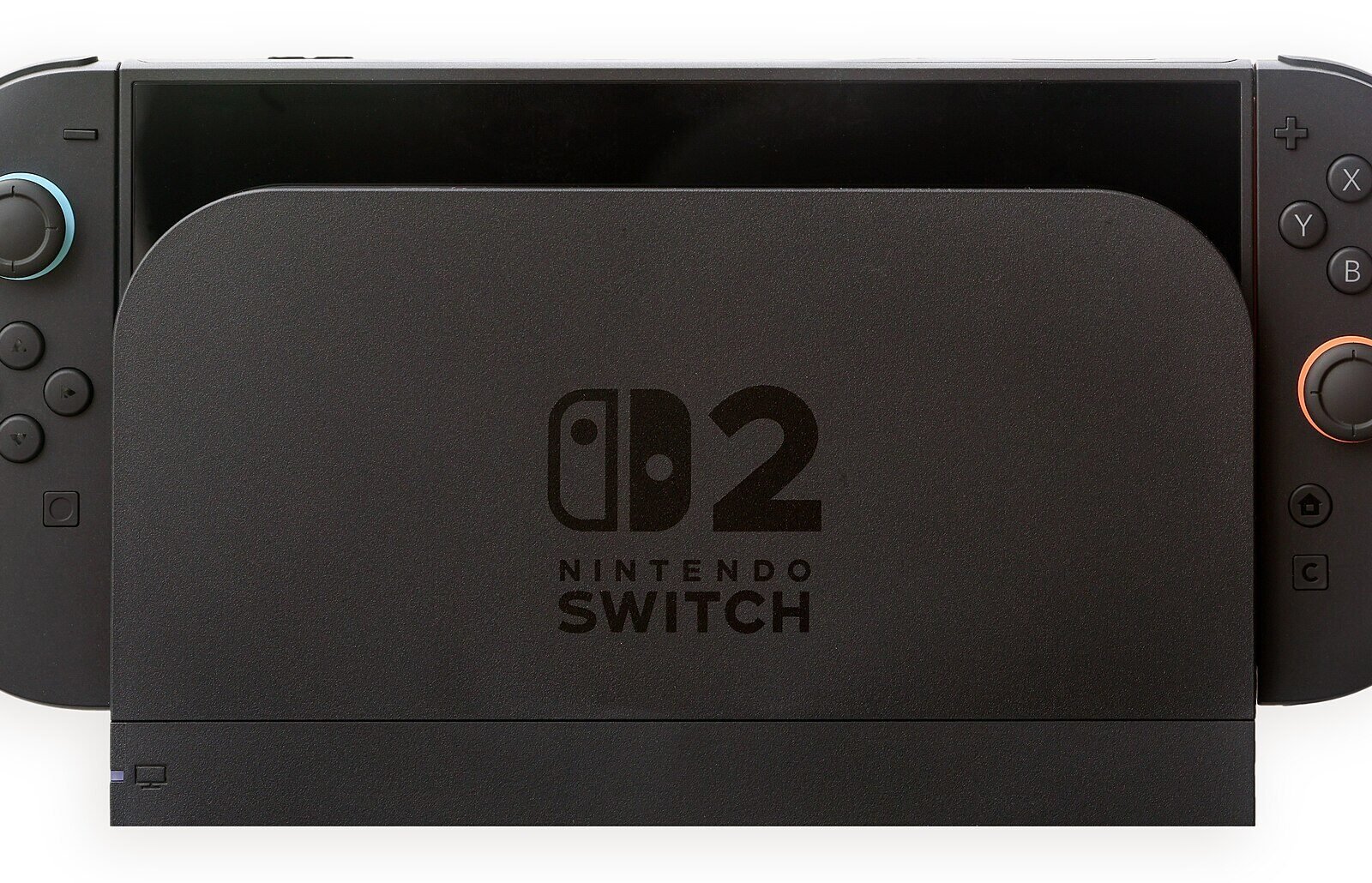



Nintendo raised the price of the Switch 2 in September, and its newest sales figures show what happened next. The company sold 2.67 million Switch 2 consoles in the three months ended September 30, down about 41 percent from a year earlier, according to GamesBeat and its report on Nintendo’s November 5 earnings. The main reason was not a shortage of games. It was the price tag, and behind the price tag sits an unlikely culprit: the memory chips that artificial intelligence data centers are buying as fast as factories can make them.
A $50 Increase With an Unusual Cause
The Switch 2 launched in the United States at $449.99. On September 1, Nintendo raised the price to $499.99, a $50 increase that also reached Canada after first landing in Japan in May. Nintendo tied the increase to rising memory chip prices. According to GamesBeat, the company’s earlier memory supply contracts had expired, and Nintendo had to start buying the chips at the new, higher prices.
The timing hurt. Sales in the same quarter a year earlier were strong enough that this year’s 2.67 million units mark a drop of about 41 percent. Even so, the Switch 2 has sold 26.35 million units since its June 2025 launch, and Nintendo kept its full year forecast of 16.5 million units for the fiscal year ending March 2027, GamesBeat reported. The company is now counting on the holiday season, and a busy run of new games, to lift demand at the higher price.
Why AI Servers and Game Consoles Want the Same Memory
Every games console, phone and computer needs memory, the fast workspace where a device holds whatever it is working on right now. The Switch 2 is no different. That memory, called DRAM, comes from a small group of giant manufacturers, and their factories only have so much capacity to go around.
AI data centers need memory in far bigger amounts. The AI processors built by companies such as Nvidia and AMD sit next to stacks of a premium product called high bandwidth memory, and selling that memory is more profitable than selling ordinary DRAM. So memory makers have shifted factory capacity toward the AI product. GamesBeat reports that memory chips are in short supply in part because chipmakers are busy making high bandwidth memory for AI chips, and that the shortage is expected to last for years.
Multiply that demand by the thousands of servers inside a single data center, and the hundreds of data centers now being built, and the memory market has a buyer that can outbid almost anyone. Less factory capacity for ordinary memory means higher prices for everyone who buys it, from Nintendo to phone makers to PC brands. When Nintendo’s cheaper contracts ran out, the new market price landed in the cost of every Switch 2.

What It Means for Your Next Console, Phone or PC
Nintendo is not alone. Sony and Microsoft also raised their console prices during the same period, according to industry reporting, and the same tight memory market supplies the phones and PCs most people buy. As long as AI demand keeps memory scarce, the pressure on gadget prices stays in place.
There is some relief for Nintendo fans, at least for now. President Shuntaro Furukawa told the earnings briefing that there has been no significant change in the memory supply situation, that Nintendo can secure the quantities it needs, and that the company is not considering another price increase at this stage, Reuters reported. In other words, $500 is the new normal for a Switch 2, but a second increase is not on the table.
The bigger lesson is that the AI boom now reaches into the games aisle. The chips that train chatbots and the chips inside a handheld console come out of the same factories, and when one side can pay far more, the other side waits longer and pays more too. Follow the wider story in our Technology section.