




U.S. employers added 165,000 jobs in October, more than double what economists had expected, and the unemployment rate fell to 4.1 percent, the Bureau of Labor Statistics said on Friday. The surprisingly strong report raised the odds that the Federal Reserve will raise interest rates again in December.
Economists polled by Reuters had forecast a gain of about 65,000 jobs, and even the most optimistic estimate stopped at 125,000. The jobless rate dipped from 4.2 percent in September even though about 421,000 people entered the labor force, a sign that hiring was strong enough to absorb a wave of new job seekers.
Hiring was broad, led by offices and health care
Professional and business services added 70,000 jobs, far above the sector’s average monthly gain of 15,000 over the past year. The gains there were broad, spanning temporary help work and management and technical consulting, said Michael Pearce, chief U.S. economist at Oxford Economics. Health care added 42,000 jobs, also well above its recent average of 31,000. Factories hired 19,000 workers, and transportation and warehousing added 25,000. Leisure and hospitality was a rare weak spot, cutting 10,600 jobs.
The report also made the recent past look better. The government revised August hiring up by 53,000, to 186,000, and September up by 31,000, to 60,000. Together, the revisions added 84,000 jobs to earlier estimates. Manufacturing has now added 101,000 jobs since December 2025, according to Reuters, a turnaround after factory job losses earlier in the administration.
Pay rose, but finding a job takes longer
Average hourly pay rose 0.4 percent in October, or 14 cents, to $38.00. It was the biggest monthly gain since January, the Associated Press reported, though pay is up only 3.1 percent over the past year, which limits how far each paycheck stretches.
There was a caution inside the good news. People who lose a job are staying out of work longer. The typical spell of unemployment now runs about 12 weeks, and the average is about 27 weeks, the longest stretch in roughly a decade once the pandemic surge is set aside, according to Reuters. The number of people working part time because they could not find full time work also rose, by 339,000, to about 4.8 million. Layoffs remain low, but landing a new job has gotten harder.
Stocks bounced back, but only partway
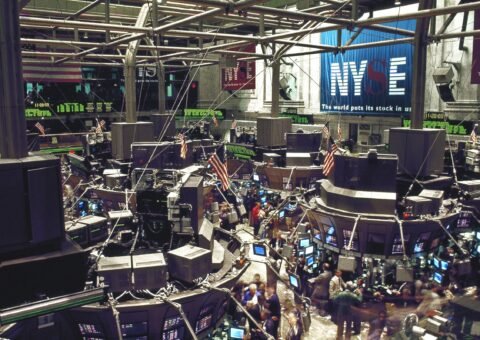
Wall Street ended a rough week with a split finish. The Nasdaq composite rose 1.09 percent to 24,579.42 and the S&P 500 added 0.31 percent to close at 7,376.86, while the Dow Jones Industrial Average fell 0.46 percent to 51,285.73, according to the Associated Press. Chip stocks led the bounce, clawing back a slice of Thursday’s AI selloff, when the Dow fell 1,833 points. All three indexes still lost ground for the week, and the S&P 500 posted its worst week since April 2025.
All eyes turn to the Fed in December
The Federal Reserve held its benchmark rate in a range of 3.75 percent to 4.00 percent at its meeting last week. A labor market this firm gives officials room to focus on inflation, and traders reacted fast. Futures markets moved to price roughly a three in four chance of a rate increase at the Fed’s December 8 and 9 meeting, up from about two thirds before the report, based on CME FedWatch data.
The report landed three days after Democrats won control of Congress in the midterm elections, which made the strong numbers a rare piece of good economic news for the White House in a difficult week. The next big clue arrives on Tuesday, when the government releases October inflation figures. If prices come in hot as well, a December increase will look even more likely. Follow the latest in our Business coverage.
Sources: Bureau of Labor Statistics; Reuters; Associated Press; CME FedWatch.