


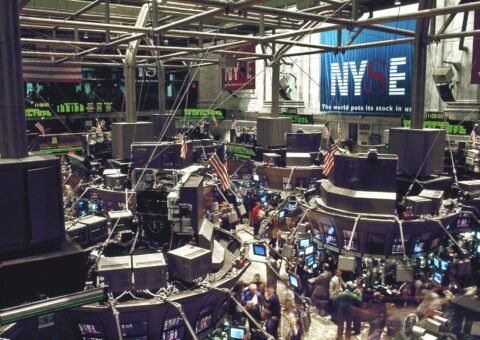


The celebration lasted exactly one day. Stocks plunged on Thursday as a selloff in artificial intelligence shares wiped out the post-midterm rally and then some. The Dow Jones Industrial Average fell 1,833.06 points, or 3.44 percent, to close at 51,523.06, more than erasing the 1,569.40 point gain it had posted on Wednesday, when the Dow surged in a post-midterm rally to 53,356.12.
The numbers behind the drop
The selling was broad, and it hit every major index. The S&P 500 fell 334.89 points, or 4.36 percent, to 7,353.73, its worst single day since April 2025. The Nasdaq Composite dropped 1,421.52 points, or 5.52 percent, to 24,315.00. That close put the Nasdaq in correction territory, the term traders use when an index falls more than 10 percent from a recent high. It now sits about 11.9 percent below its record close of 27,599.89, set on October 6. The Nasdaq-100, which holds the largest nonfinancial companies on that exchange, fell 6.36 percent.
Fear came back just as fast as it had left. The VIX, the market’s best known fear gauge, closed at 28.09, up 69.1 percent from 16.61 on Wednesday. A reading in the high twenties signals that traders expect rough days ahead and are paying up for protection against them.
Chip stocks took the hardest hit
The center of the storm was the semiconductor industry, the companies that make the chips the AI boom runs on. The Philadelphia Semiconductor Index fell about 12.25 percent in a single session. Nvidia, the most valuable chipmaker in the world and the face of the AI trade, lost more than 9 percent. Memory chip maker Micron fell about 17 percent.
The Associated Press described a broad selloff led by stocks linked to the construction of artificial intelligence data centers. That matters because the AI build-out has carried the market for much of this year. When those stocks fall together, they drag the indexes down with them, and on Thursday nothing was strong enough to offset them.
Why investors soured so fast
The trigger, according to reporting by Reuters and CNBC, was a second look at Tuesday’s election results. The same Democratic sweep that powered Wednesday’s rally started to look different on Thursday. Investors worried that the new majority could bring tougher scrutiny of AI infrastructure, and fears grew about possible moratoriums on data center construction in some states. On top of that came an older concern that never fully went away: after a long run, AI stock prices had climbed far ahead of the profits behind them.
None of those worries were new on their own. What changed was the mood. On Wednesday, buyers focused on political certainty and a clear election outcome. On Thursday, sellers focused on what the new political landscape could mean for the industry the market depends on most, and the selling fed on itself as the day went on.

One day up, one day down
The two day swing sums up where this market stands. Wednesday’s rally was the Dow’s biggest post-midterm gain in decades, and Thursday more than erased it in a single session. The Dow is now below where it started the week, the Nasdaq is in a correction, and the fear gauge is at levels not seen during the calm weeks of October. Whether Thursday was a one day panic or the start of a longer slide is the question Wall Street carries into Friday’s session, and for now the honest answer is that nobody on the floor knows. What is certain is that the record rally that followed the midterms has been fully unwound, and the AI trade that built it is being tested in public.
Sources: Reuters and Associated Press market reports on the official closing figures, November 5, 2026, with driver reporting from Reuters and CNBC.