

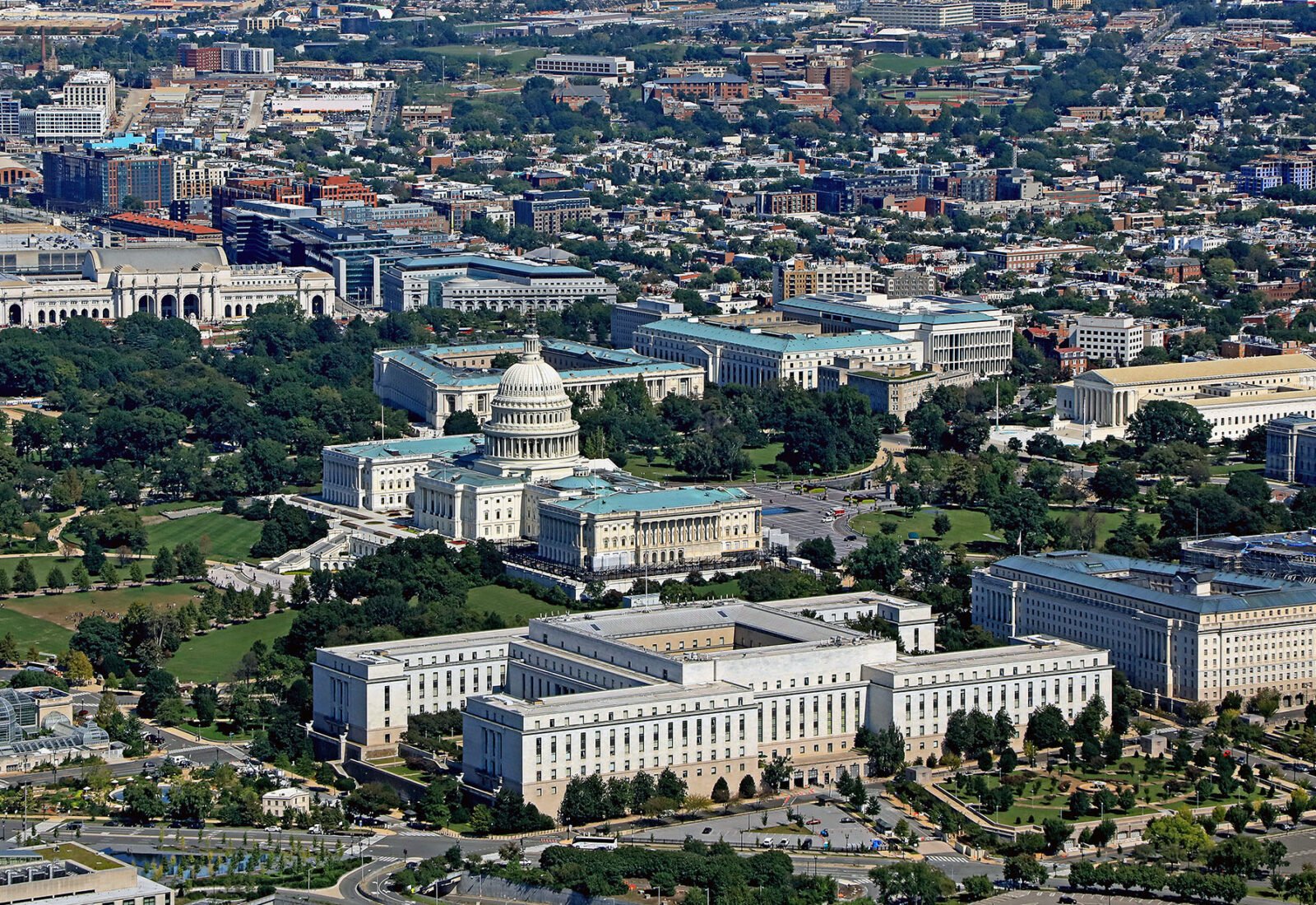


Analysis. Democrats have won control of both the House and the Senate in the 2026 midterm elections, according to race calls by the Associated Press, ending two years of unified Republican control of the federal government and setting up a divided Washington for the rest of President Donald Trump’s term.
The result is a sharp reversal. Republicans entered Election Day with 219 members caucusing with their party, including one independent, compared with 214 Democrats. Two House seats were vacant. Democrats needed a net gain of three seats to regain control of the chamber, while a majority required at least 218 seats. In the Senate, Republicans held a 53 to 47 majority, and Democrats needed a net gain of four seats. They cleared both marks before the night was over.
How the Senate flipped
The Senate majority was settled in Iowa. NPR, working from a tally of AP race calls, reported that Democrats secured control after the AP called Iowa for Josh Turek, who defeated Republican Rep. Ashley Hinson.
Iowa was one of seven Republican-held Senate seats that Democrats won, according to the AP. In Kansas, Adam Hamilton ousted Sen. Roger Marshall and became the state’s first Democratic senator since 1932. In Texas, James Talarico defeated state Attorney General Ken Paxton, who had beaten Sen. John Cornyn in the Republican primary with the president’s endorsement. In South Carolina, a state President Trump carried by nearly 18 points in 2024, Annie Andrews defeated Sen. Darline Graham, who had been appointed to the seat after the death of her brother, Sen. Lindsey Graham.
Democrats also won in Ohio, where Sherrod Brown defeated Sen. Jon Husted and reclaimed the seat that belonged to Vice President JD Vance two years ago. In North Carolina, former Gov. Roy Cooper won the open seat of Sen. Thom Tillis, defeating Michael Whatley. In Maine, Troy Jackson defeated Sen. Susan Collins, who had served nearly 30 years. Key holds protected the majority: Sen. Jon Ossoff won reelection in Georgia, Democrats won the open seats in New Hampshire and Minnesota, and in Michigan, Abdul El-Sayed won the open seat of retiring Sen. Gary Peters, becoming the first Muslim elected to the U.S. Senate. Senate Democratic Leader Chuck Schumer described the outcome as “a generational remake of the Senate map that is going to change America,” according to Reuters.
How the House flipped
The House took longer to settle, but the direction was clear early on Wednesday morning. The AP called the House for Democrats after a night of flips in Republican-held districts, while votes were still being counted in several races, so the final size of the new majority remains unsettled.
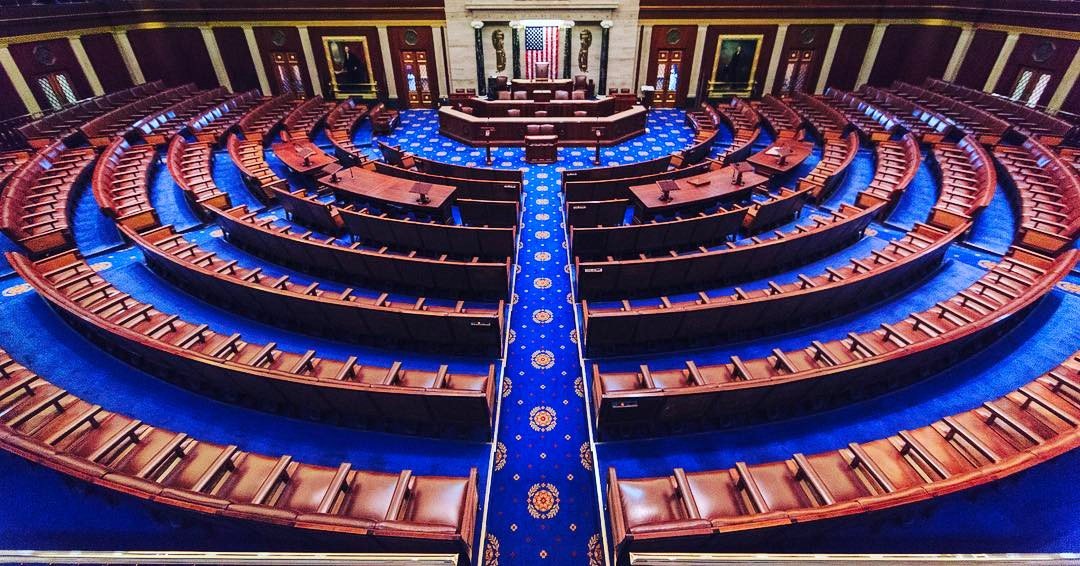
The AP reported that Democrats flipped House districts that President Trump won by as much as 18 points in 2024. Defeated Republicans included Rep. Tom Kean of New Jersey. Democratic winners included Jamie Ager in North Carolina and Lindsay James in Iowa.
The outcome puts House Democratic Leader Hakeem Jeffries in line to become speaker. If his colleagues elect him, as Democratic aides expect, Jeffries would be the first Black speaker of the House, according to Reuters. Jeffries, 56, represents a New York City district. House Democrats will choose their candidate later this month, and the full House will vote when the new Congress convenes. In a victory speech late Tuesday, Jeffries said voters had made clear that “they’ve had enough of the extremism, enough of the corruption,” and he promised a 100-day agenda on lowering the cost of living and overseeing the Trump administration, according to Reuters and the AP.
What voters were saying
The AP characterized the elections as channeling voter frustration over high prices, the war in Iran and concerns about government corruption. Its Voter Poll found that about three-quarters of voters felt angry or dissatisfied with the direction of the country, and about three-quarters described the economy as not so good or poor. About 8 in 10 said inflation had caused them severe or moderate financial hardship, and roughly half cited government corruption and the cost of living as crucial to their vote. Poll findings describe the electorate as a whole. They do not prove why any single race ended as it did.
Prices at the pump were part of that picture. The national average price of gasoline stood at $4.14 a gallon, compared with $3.03 a year earlier, according to AAA figures reported by Realtor.com. Reuters reported that the war in Iran, launched in February, drove gas prices up sharply.
How Republicans responded
President Trump did not accept the result as a verdict on his presidency. In a post on social media, he wrote: “I wasn’t on the Ballot and if I was, we would have won IN A LANDSLIDE! Thank you for your attention to this matter.” Speaking on Fox News, he said he did not consider the elections a personal defeat and said voters “didn’t like the candidates,” according to the AP.
Sen. John Thune, the Senate majority leader, promised resistance. “Senate Republicans will not stand idly by as the far-left, socialist wing of the Democrat Party attempts to unwind everything we’ve done,” he wrote on X, according to the AP.
What changes in January
The new 120th Congress convenes on January 3, 2027. Republicans will lead the current Congress until its term ends. After that, Democratic leaders will decide which bills receive hearings and floor votes in both chambers. Democratic committee chairs will control oversight of federal agencies, with the power to request records and subpoena administration officials. In the Senate, the Democratic majority will control the schedule for confirming federal judges, Cabinet officials and other nominees.
The limits are just as real. President Trump keeps the power to veto legislation, and Congress can override a veto only with two-thirds votes in both chambers. Most bills in the Senate still need 60 votes to overcome a filibuster. Must-pass spending bills will require negotiation between the Democratic Congress and the Republican White House.
What is still not settled
Several questions remained open on Wednesday. The final size of both majorities is not yet known, because votes are still being counted in a number of House races, and the AP had not called the Senate races in Alaska or Mississippi in the latest results reviewed for this article. Every seat count published at this stage is a snapshot, not a final tally, and all results remain unofficial until certified.
The scale of the shift is already clear. According to NBC News reporting, the last time the party out of power flipped control of both chambers in a single midterm election was 2006, twenty years ago. Democrats have now done it again, and they will take control of Congress in January with an agenda built on prices, oversight and checking the president.
Beyond Congress: two governor results worth noting
In Ohio, Democrat Amy Acton defeated Republican Vivek Ramaswamy for governor, according to AP results. Acton, a physician who led Ohio’s health department at the start of the pandemic, is the first woman elected governor of Ohio and the first Democrat to win the office since 2006. In Texas, three-term Republican Gov. Greg Abbott lost to Democrat Gina Hinojosa, according to Reuters. In Georgia, Democrat Keisha Lance Bottoms will become the first Black woman elected governor of any state, according to the AP and Reuters.
Reporting note: This analysis is based on Associated Press race calls and results data, with additional reporting from Reuters, NPR and Scripps News. All results are unofficial and will change as counting continues.