

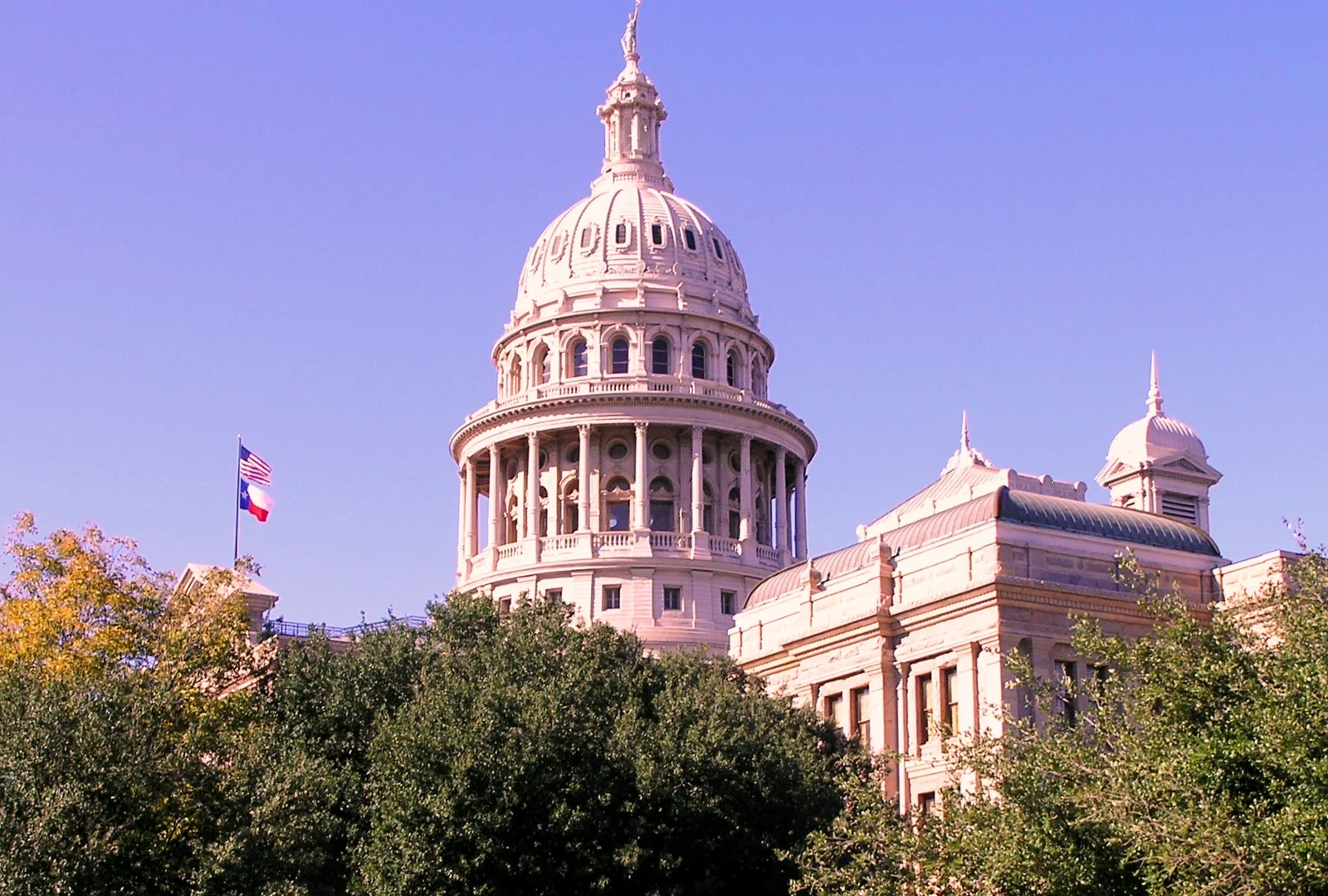



AUSTIN, Texas – Democrat Gina Hinojosa defeated Republican Gov. Greg Abbott in the race for governor of Texas on Tuesday, according to Associated Press results, in one of the biggest upsets of the 2026 midterm elections. The AP called the race at 11:17 p.m. Eastern on Tuesday night.
With 96 percent of precincts reporting in the AP tally as of 8:10 a.m. Eastern on Wednesday, Hinojosa had 5,177,452 votes, or 52.9 percent, to Abbott’s 4,456,531 votes, or 45.6 percent. Her margin was 720,921 votes, about 7.4 percentage points. Libertarian Pat Dixon had 145,834 votes, or 1.5 percent. Votes are still being counted, and the totals are unofficial.
The result ends more than three decades of Republican control of the governor’s office in the nation’s most populous red state. Abbott, a three-term incumbent, was seeking a record fourth term. Instead, a state representative from Austin who started the race as a long shot will become the first Latina governor in Texas history.
A state representative few outside Austin knew
Hinojosa, 52, is a lawyer who has represented an Austin district in the Texas House of Representatives since 2017. She is now in her fifth term. Few voters outside Central Texas knew her name when she launched her campaign in October 2025, and better-known Democrats had stayed out of the race.
She built her campaign around public schools, household costs and criticism of the state’s Republican leadership, according to NPR. She accused Abbott of putting wealthy interests ahead of everyday Texans and of failing to bring down the cost of living.
One of her signature promises was a one-time payment of $1,500 to each Texas resident, which she called a “Corruption Tax Refund,” paid from the state’s emergency savings fund.
At her victory party in Austin, she told supporters: “It never bothered me that they doubted me. It bothered me that they doubted us. Texas, my faith in you never wavered.”
How the race broke
Money was not enough to save Abbott. His campaign had spent $180 million since last year, the AP reported, and the Texas Tribune reported that Hinojosa was outspent by more than four to one. She won anyway, in a state where Democrats had not won a statewide race in decades.
Energy and growth became late flashpoints. Hinojosa campaigned hard against the spread of artificial intelligence data centers, accusing Abbott of letting the power-hungry server warehouses multiply across the state. Abbott, facing public anger on the issue, responded with a temporary moratorium on new data center approvals.
Her win did not stand alone. In the U.S. Senate race in Texas, Democrat James Talarico defeated Republican Ken Paxton, the AP reported. Nationally, Democrats won control of the House and Senate on the same night. President Donald Trump blamed Abbott for the Texas loss, accusing one of his staunchest supporters of becoming a “RINO,” or Republican in name only, in the last months of the race.
Abbott concedes after 12 years in office
Abbott took office in January 2015 and won each of his three elections by double digits. A fourth term would have been a record for a Texas governor. On Tuesday night, shortly after 10 p.m. Central, he conceded. He told supporters he had called Hinojosa to congratulate her, and he pledged to help her transition into office.
“Leading this state has been the greatest honor I’ve ever had,” Abbott said as he conceded.
A first in Texas history
When Hinojosa takes office in January 2027, she will be the first Latina sworn in as governor of Texas, and the first Democrat to hold the office since Ann Richards. Richards won the governor’s race in 1990, served from 1991 to 1995, and lost her reelection bid to George W. Bush. Republicans have held the office ever since, a run that will reach 32 years by the time Hinojosa is sworn in. She will also be only the third woman to serve as governor of Texas, after Miriam Ferguson and Richards.

Analysis: what changes in Texas, and what does not
Analysis. The governor’s office changes hands, but Hinojosa will govern alongside a Republican-led legislature. That split will shape everything she tries to do. Her biggest campaign promises, including the $1,500 payments, need lawmakers to agree, and Republican leaders have little reason to hand a new Democratic governor easy wins. On data centers, her win changes the politics of the issue even before it changes any law.
Where she can act faster is in the tone and direction of state government: appointments, agency priorities and the bully pulpit of the office. Her campaign against data centers also lands in the middle of a national fight over how much power and water the AI build-out should get, What her victory means for future data center projects in Texas is a prediction, not a fact, and it will depend on bills that have not been written yet.
The longer question is whether Tuesday was a one-night wave or a real shift. Democrats have predicted for years that growth and demographic change would make Texas competitive. Hinojosa’s margin, built in a midterm the party was already winning nationally, is the strongest evidence yet that the state can flip in the right year. Republicans will note that Abbott still took 45.6 percent on a bad night for his party, and that one election does not rewrite a decade of results.
What happens next
Counties will finish counting the remaining ballots, and the results will be canvassed and certified in the coming weeks. Hinojosa is scheduled to take office on January 19, 2027, for a four-year term. Before then, her transition team will start filling key posts in state government, and the Republican-led legislature will decide how much of her agenda gets a hearing.
Sources: Associated Press election results and reporting; NPR; The Wall Street Journal; The Texas Tribune; USA Today; Ballotpedia. Vote figures are from the AP tally checked at 13:10 UTC on November 4, 2026, and will change as counting finishes.