





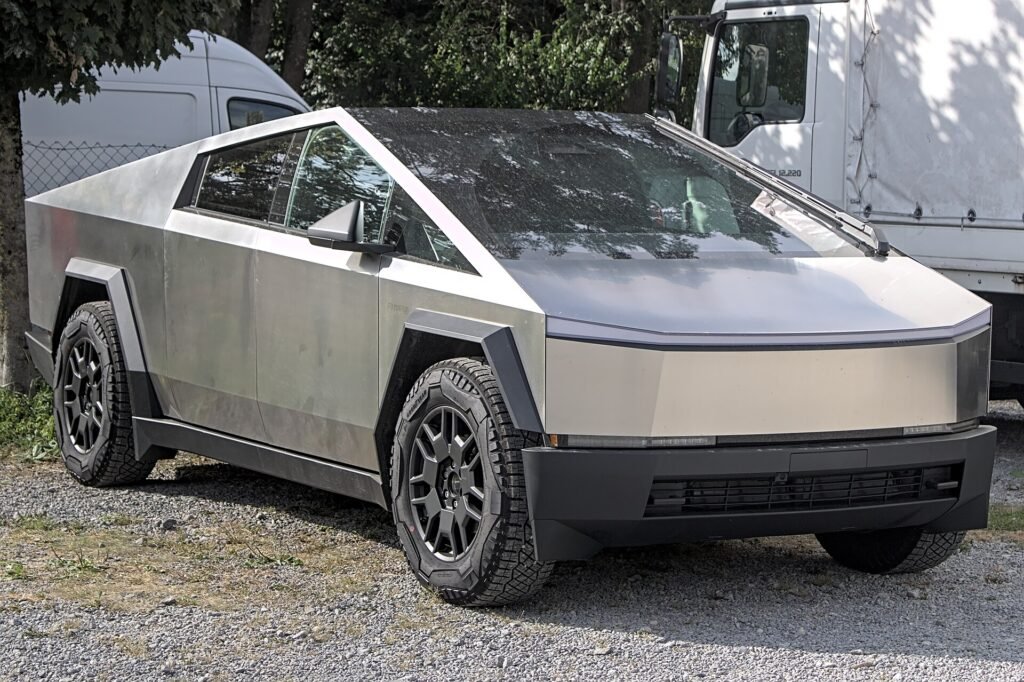
The Tesla Cybertruck is heading for the exit. In a short post on X on Friday, November 6, Tesla CEO Elon Musk said the company will wind down production of the stainless steel pickup at Gigafactory Texas around the middle of 2027, to make room for increased production of the Cybercab, its two seat robotaxi. The news, reported by Reuters, CNN and USA Today, gives the most talked about truck in America an end date a little over three years after the first customers got their keys.
A farewell written in the past tense
Musk did not say whether the Cybertruck will be built anywhere else or stop for good. That question matters, because Reuters noted that the Texas factory is the only Tesla plant known to have the equipment for the truck’s specialized parts. The reaction inside Tesla still read like a goodbye. Wes Morrill, the Cybertruck’s lead engineer, replied to Musk’s post by writing about the truck in the past tense: “Cybertruck was an incredible technology development platform and lives on through Cybercab.” The official Cybertruck X account, for its part, posted a video of the truck driving into the sunset.
The night the future arrived, windows and all
The story started on November 21, 2019, at Tesla’s design studio in Hawthorne, California. Musk promised a stainless steel truck starting at $39,900. The top version would cost $69,900 and travel more than 500 miles on a charge. Production would begin in late 2021, and anyone could reserve a truck for $100. The night is remembered for something else. To show off the strength of the truck’s armor glass, chief designer Franz von Holzhausen threw a steel ball at a window. It cracked. He tried the second window, and that one cracked too. Musk finished the show in front of two spiderwebbed windows, and the Cybertruck became a meme years before it became a product.
Late, pricier and shorter on range
The truck that finally arrived looked like the concept, but the numbers had moved. First deliveries came on November 30, 2023, about two years behind the original schedule. The starting price had climbed to $60,990, and the longest range on offer was about 340 miles, not 500. The affordable truck from the reveal never existed. What buyers got instead was a premium priced statement piece, and it had to sell on style and novelty rather than value. For a while, that worked. Then the novelty faded.
The sales curve in plain numbers
Tesla built the Cybertruck line in Texas to make about 250,000 trucks a year, according to Electrek, and Musk had predicted annual sales in that same range. The real numbers never came close. Kelley Blue Book estimates that Tesla sold 38,965 Cybertrucks in the United States in 2024, the truck’s first full year. In 2025, sales fell to 20,237, a drop of 48 percent, Reuters reported. The slide kept going in 2026, when Cox Automotive counted 11,586 sales in the first nine months of the year, down another 28 percent. In plain terms, the Cybertruck has lately been selling at roughly a tenth of the volume its factory was built to produce.
Recalls added to the drag
Weak sales were not the only problem. Tesla has issued 11 recalls for the Cybertruck since it went on sale in late 2023, according to federal safety data from the National Highway Traffic Safety Administration reported by Reuters. The largest came in March 2025, when more than 46,000 trucks were recalled because a stainless steel trim panel on the outside of the truck could come loose and fall off on the road. The truck also sold in only a handful of markets, because its size and sharp edges made approval hard under European pedestrian safety rules. Each stumble shrank the pool of buyers willing to pay premium prices for a truck that began life as a $39,900 promise.
What owners still do not know
For the tens of thousands of people who already own a Cybertruck, the biggest questions are still open. Tesla has not confirmed whether the truck ends entirely or moves to another factory, and it has not said what happens to outstanding orders, Reuters reported. Morrill did offer owners one assurance, posting that Tesla will maintain spare parts and that service support will continue. Musk added that the Cybertruck fleet “will be around for a long time.” But there is no formal plan behind those words yet: no final model year, no parts timeline, and no detail on how long full support will last. Owners have a promise, not a schedule.
What is clear is where the factory space is going. The Cybercab, a small two seat car with no steering wheel and no pedals, is the vehicle Tesla now wants at the center of its future. The truck that was supposed to make the future look like the future is making room for it. Read more in our Technology coverage.
Sources: Reuters; CNN Business; USA Today; Electrek; Associated Press; MarketWatch.