

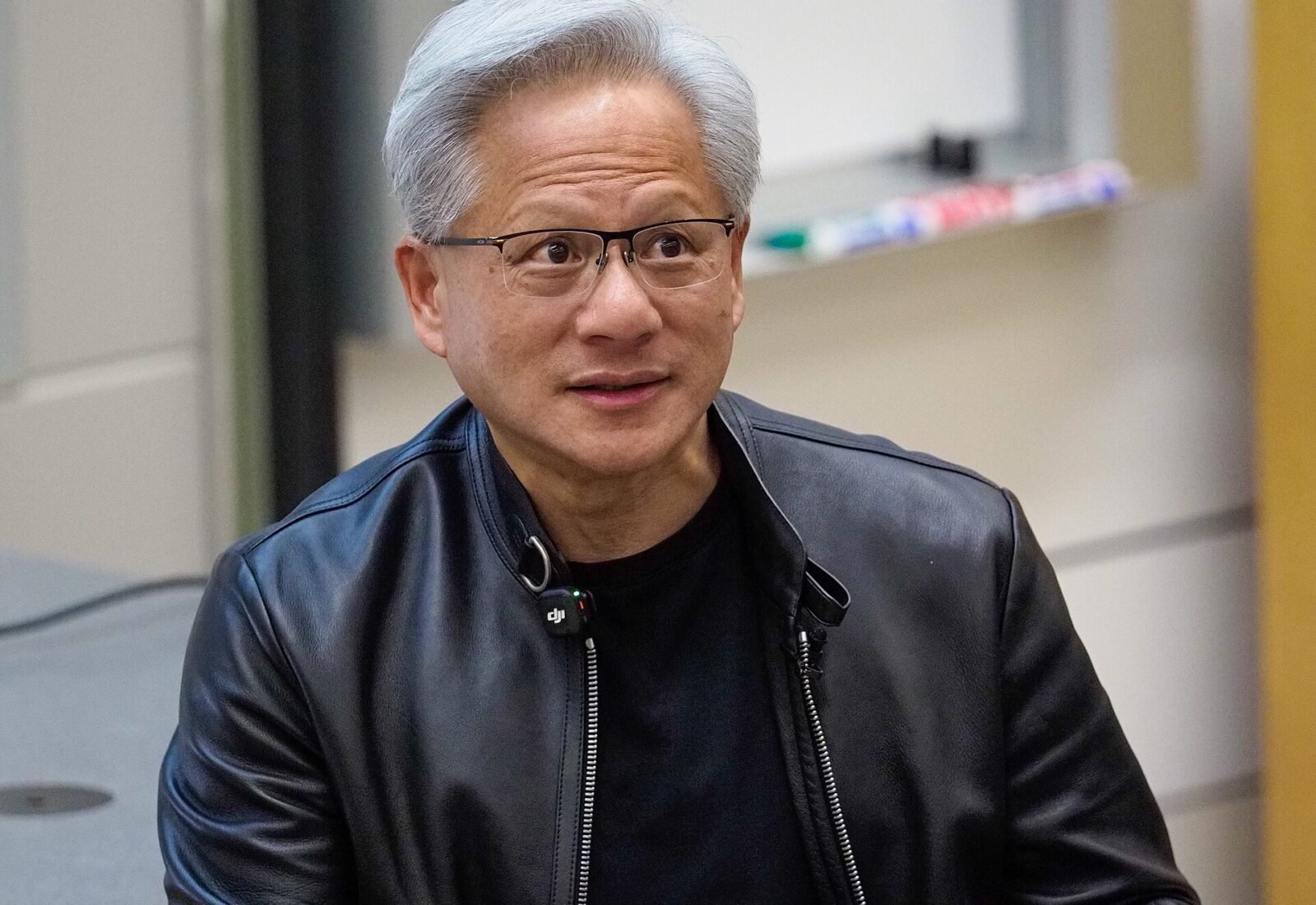





Nvidia’s board of directors has opened an independent investigation into reports that its chief executive, Jensen Huang, was the target of a foreign intelligence effort. The company announced the probe on Sunday, saying a committee of independent directors, helped by outside lawyers, will examine all available information.
The board said it has “no reason to believe that either national security or Nvidia secrets were compromised.” It added that protecting United States national and economic security is a priority, and it expressed confidence in Huang’s leadership. Huang, 63, stays on as chief executive while the inquiry runs, and the company says he will cooperate fully.
What the board is looking into
The investigation follows reporting by The New York Times last month. According to the Times, U.S. intelligence officials concluded that Alice Huang, a Chinese citizen and a former senior executive at the Singapore data center company Megaspeed, was passing information to Beijing. The Times reported that she had developed a close relationship with Jensen Huang. The two are not related.
The personal element in the public record is short. In an email to employees on Sunday, Huang acknowledged that he had been unfaithful to his wife and said he took responsibility for his actions, according to Reuters. Nvidia had earlier described his dealings with Alice Huang as normal for their business relationship.
Why Megaspeed matters to Washington
Megaspeed is what turns a personal story into a national security one. The Singapore firm was spun off from a Chinese company in 2023 and has bought about $4.8 billion worth of Nvidia hardware in two years, according to The Times of London. The Wall Street Journal reported that U.S. officials have investigated Megaspeed for more than a year over fears it helped China get advanced AI chips that American export controls bar from being shipped to China.
Nvidia sits at the center of the contest between the United States and China over artificial intelligence. Its most powerful chips are treated as strategic goods, and who may buy them is a matter of U.S. policy. A reported intelligence effort aimed at the man who runs Nvidia was always going to draw attention far beyond one company.
Washington reacts, Beijing pushes back
The response in Washington was fast. The chairs of three House committees have asked Huang for a closed door briefing on November 18, Reuters reported. On Monday, President Donald Trump said the FBI was looking into the matter. Trump said Huang told him he had no idea the woman was a spy, and he called Huang “an honorable guy.” The Times reported that Trump was briefed on the intelligence findings about a year ago and chose not to act on them at the time.
China rejected the story outright. Foreign Ministry spokesman Guo Jiakun said on Monday that the talk of so-called Chinese spies was “entirely based on groundless speculation” and amounted to slander, according to the Wall Street Journal.
Shares slide as investors weigh the risk
Nvidia shares fell 4.27 percent on Monday to close at $178.67, a seven-month low, according to Reuters. The drop stood out because the rest of the chip sector rose sharply the same day, and Nvidia was the only decliner in the main chip index. The stock now sits roughly 25 percent below the record high it set in early October, after weeks of losses tied to wider doubts about AI spending. Shareholders also filed a proposed class action on Monday accusing Huang and the company of defrauding investors by hiding his ties to a suspected Chinese spy, Reuters reported.

What happens next
Two dates will shape the next phase. Nvidia reports its quarterly earnings on November 17, and the congressional briefing is set for November 18. The board has given no timeline for its findings. Huang has run Nvidia since he co-founded the company in 1993, and analysts told Reuters there is no clear successor waiting, which is part of why investors reacted so sharply to a probe that, so far, alleges no lost secrets.
For more on the chip industry and the business of AI, see our Technology coverage, including our story on Tesla ending Cybertruck production to make room for the Cybercab.
Sources: Reuters; The New York Times; The Wall Street Journal; statement of the Nvidia board of directors.